Luxury Mountain Retreat Usa: Professional Exterior Guide
A luxury mountain retreat usa represents the pinnacle of residential architecture where rugged landscapes meet sophisticated engineering. These structures are no longer just seasonal cabins but have become permanent sanctuaries for high-net-worth individuals. Achieving this level of quality requires a deep understanding of environmental stressors and aesthetic harmony.
The demand for premium alpine living has shifted toward high-performance materials that provide both durability and visual prestige. Professionals in the architectural and remodeling sectors recognize that these projects involve unique topographical challenges. Success depends on balancing the raw beauty of the wilderness with the comforts of modern technology.
For a homeowner or professional, the evolution of these estates reflects a broader trend in sustainable luxury. It is about creating a legacy property that withstands extreme weather while offering a seamless connection to the outdoors. This guide explores the multifaceted nature of developing and maintaining such prestigious assets.
Luxury Mountain Retreat Usa
The core essence of a luxury mountain retreat usa lies in its ability to act as a thermal fortress that feels like a glass sanctuary. Think of it as a high-end mechanical watch. The exterior must be rugged and shock-resistant, while the interior functions with intricate, delicate precision.
Many laypeople assume that luxury is defined solely by interior finishes or square footage. However, professionals understand that the true value of a luxury mountain retreat usa is found in its structural integrity. It is the invisible engineering that allows for massive floor-to-ceiling windows in sub-zero temperatures.
Misunderstandings often arise when comparing standard residential builds to high-altitude projects. In a luxury mountain retreat usa, every material choice must account for UV degradation, heavy snow loads, and rapid temperature fluctuations. Without this foresight, even the most expensive aesthetic choices will fail prematurely.
Historical Trends In Mountain Architecture
The American mountain home has evolved from the Adirondack Great Camps of the late 19th century. These early structures utilized local timber and stone to blend into the wilderness. They established the “rustic” aesthetic that still influences high-end designs across the country today.
During the mid-20th century, the rise of ski culture introduced A-frame designs and Swiss-inspired chalets. These were functional but often lacked the integrated luxury found in modern estates. They prioritized proximity to slopes over expansive living spaces or advanced climate control systems.
Today, the standard has shifted toward “Mountain Modern” or “Organic Architecture.” This approach emphasizes clean lines, sustainable materials, and massive spans of glass. The goal is to minimize the visual barrier between the resident and the surrounding peaks and valleys.
Evolution Of Quality Standards
In the past, a mountain home was considered high-quality if it stayed dry and warm during a blizzard. Modern standards are significantly higher, focusing on air filtration, energy neutrality, and fire resilience. These features are now non-negotiable for premium properties in the Western United States.
Traditional log cabins have largely been replaced by engineered wood and steel frames. This transition allows for larger open floor plans and greater resistance to the warping caused by altitude. Professionals now prioritize materials that require less frequent maintenance while retaining their prestigious appearance.
Biophilic Design Models
One of the most effective mental models for mountain architecture is biophilic design. This framework suggests that humans have an innate connection to nature that should be nurtured through building design. In a high-end retreat, this means utilizing natural light and raw textures to reduce stress.
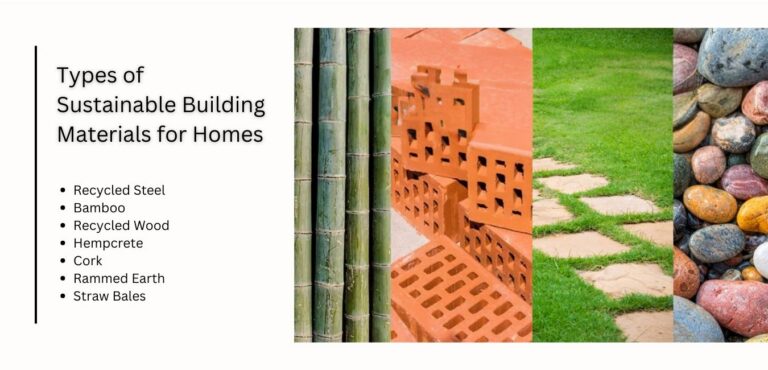
For the professional, biophilic design provides a roadmap for material selection. It encourages the use of locally sourced stone and wood species that exist naturally in the environment. This creates a sense of belonging for the structure within its specific geographic context.
The Fortress And The Lantern Model
Another strategic framework is viewing the home as both a fortress and a lantern. The fortress aspect covers protection against wind, snow, and wildfire. The lantern aspect refers to the home’s ability to glow warmly at night, providing a sense of security and hospitality.
This model helps decision-makers prioritize where to spend their budget. Money spent on a high-performance roof represents the fortress. Money spent on architectural lighting and expansive glazing represents the lantern. Both are essential for a truly premium experience.
Strategic Resilience Framework
Professionals often use a resilience framework to evaluate long-term viability. This involves looking beyond the immediate build to consider how the structure will age over fifty years. It forces a focus on moisture management and structural flexibility.
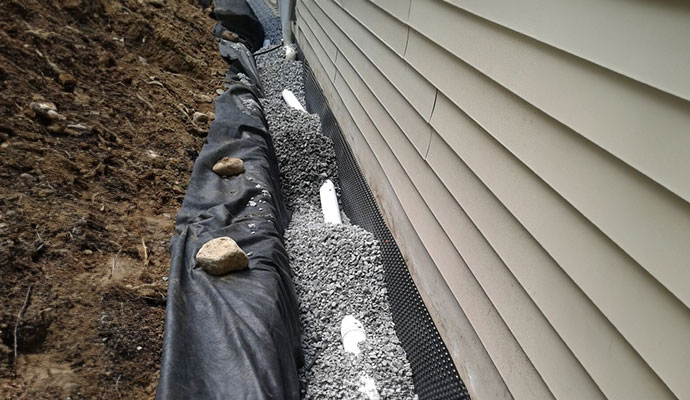
Laypeople can use this model to understand why certain “boring” upgrades are expensive. For example, a complex drainage system around the foundation prevents future soil erosion. This framework ensures that the property remains an asset rather than becoming a maintenance liability.
Categorizing High-altitude Estates
There are several distinct approaches to the luxury mountain retreat usa, each catering to different lifestyles. Some prefer the “Glass Pavilion” style which prioritizes views above all else. Others lean toward “Mountain Industrial,” which uses heavy steel and reclaimed wood for a more grounded feel.
The choice of style often depends on the specific microclimate and topography of the site. A home perched on a cliffside requires different engineering than one nestled in a dense evergreen forest. Understanding these variations is the first step in a successful remodel or build.
| Variation | Target Audience | Core Advantage | Trade-offs | Relative Complexity |
|---|---|---|---|---|
| Modern Alpine | Technology Executives | Maximum natural light | High cooling/heating load | Very High |
| Rustic Industrial | Creative Professionals | Exceptional durability | Heavy material costs | Medium |
| Traditional Lodge | Legacy Families | Timeless aesthetic | High maintenance cycles | High |
| High-Desert Minimalist | Wellness Seekers | Low water usage | Intense UV exposure | Medium |
Decision Logic For Styles
Choosing the right path requires analyzing the site’s primary stressors. If the location experiences high winds, a low-profile Modern Alpine design may be safer than a tall Traditional Lodge. Constraints such as local building codes regarding “dark sky” compliance also influence the final design.
Furthermore, the intended use of the home dictates the layout. A retreat meant for large corporate gatherings requires different acoustic considerations than a private family sanctuary. Always align the architectural “flavor” with the functional reality of the property.
The High-altitude Blizzard Scenario
Imagine a luxury mountain retreat usa located at 9,000 feet during a record-breaking winter. In this scenario, the building’s envelope is tested by several feet of snow and sub-zero temperatures. A premium outcome is one where the occupants remain unaware of the harsh conditions outside.
Second-order consequences of this scenario include ice damming and structural strain. If the roof was not designed for these loads, the resulting water damage could cost hundreds of thousands of dollars. Professional planning prevents these failures by utilizing advanced thermal modeling.
The Wildfire Mitigation Scenario
In many parts of the Western USA, wildfire is a persistent seasonal threat. A high-end lifestyle requires a home that can withstand embers and intense heat without significant damage. This involves creating “defensible space” through landscaping and using non-combustible exterior materials.
Using specialized siding can be a game-changer in these high-risk zones. By focusing on materials that do not ignite easily, homeowners protect their investment and the safety of their guests. This proactive approach is a hallmark of sophisticated mountain property management.
Multi-generational Hosting Dynamics
Premium mountain homes often serve as the primary gathering place for extended families. This scenario requires a design that offers both communal “great rooms” and private enclaves. The challenge is maintaining a cohesive aesthetic across a very large floor plan.
In these cases, the second-order consequence is the increased wear and tear on the building’s systems. High-occupancy levels put a strain on HVAC and plumbing that standard homes never experience. Professionals must over-engineer these systems to ensure seamless performance during peak holidays.
Direct And Hidden Costs
Building or remodeling a luxury mountain retreat usa involves significant capital beyond the visible finishes. Site preparation in rocky or sloped terrain can account for a large percentage of the total budget. This is a “hidden” cost that many first-time mountain owners overlook.
Logistics also play a major role in pricing. Transporting specialized materials to remote locations adds a premium to every line item. However, opting for cheaper local alternatives often leads to higher maintenance costs later. The “mountain tax” is a reality of high-standard construction.
| Category | Entry-Level Scenario | Professional Standard | Enterprise/High-End | Key Nuance |
|---|---|---|---|---|
| Windows | Double-pane vinyl | Thermal-break aluminum | Triple-pane krypton-filled | UV resistance is vital |
| Roofing | Asphalt shingles | Standing seam metal | Natural slate or copper | Snow-shedding capacity |
| Siding | Standard cedar | Modified timber (Accoya) | Stone and steel mix | Fire and rot rating |
| Automation | Wi-Fi thermostats | Integrated HVAC/Lighting | Remote backup systems | Off-grid capability |
The Long-term Value Of Quality
It is a well-documented fact in the luxury market that “cheap” becomes “expensive” very quickly. In alpine environments, inferior materials fail at twice the rate of those in temperate climates. Investing in the best exterior siding options: a professional guide to roi ensures that the home’s facade remains pristine for decades.
This initial investment also protects the resale value. Savvy buyers in the mountain market look for signs of high-end maintenance and structural foresight. A property that has been built to professional standards will always command a premium over those that took shortcuts.
Advanced Cladding Systems
Modern mountain retreats rely on sophisticated cladding to manage moisture and temperature. Fiber cement, thermally modified wood, and metal panels are popular choices. These materials are often integrated with top stone veneer plans: a professional exterior remodel guide to create a layered, textured look.
The real problem these systems solve is the “freeze-thaw” cycle. As water enters small cracks and freezes, it expands, causing stone and wood to crack. High-end systems utilize rain screens and drainage planes to ensure that moisture never becomes trapped against the structure.
The Role Of Fenestration
Windows are the most critical component of a luxury mountain retreat usa. They must offer high R-values to prevent heat loss while also blocking intense high-altitude UV rays. Professionals often choose custom-built window systems with reinforced frames to handle high wind pressures.
When planning a remodel, it is helpful to look at a professional guide to top window installation plans. Proper installation is just as important as the window quality itself. Even the most expensive glass will fail if the flashing and sealing are not executed with precision.
Limitations Of Smart Home Technology
While automation is a staple of luxury, it has hidden limitations in remote mountain areas. Satellite internet latency can interfere with cloud-based security systems. Furthermore, extreme cold can drain the batteries of outdoor sensors and cameras much faster than expected.
Professionals solve this by installing hard-wired systems with local server backups. This ensures that the home’s climate and security functions remain operational even if the main grid is compromised. In the mountains, reliability is the ultimate luxury.
A Taxonomy Of Alpine Risks
Risk in a luxury mountain retreat usa can be categorized into structural, environmental, and operational threats. Structural risks include heavy snow loads and seismic activity. Environmental risks involve wildfire, floods, and invasive species like bark beetles that can kill surrounding trees.
Operational risks are often human-led. These include neglecting routine maintenance or failing to properly winterize the property. Small errors, like a leaking pipe in an unheated basement, can quickly compound into a systemic failure that ruins the home’s interior.
Mitigating High-altitude Decay
The thin air and intense sun at high altitudes act as a catalyst for material degradation. Paint peels faster, wood warps more aggressively, and seals dry out. Mitigating these risks requires selecting materials specifically rated for high-elevation use.
For example, traditional wood stains may only last two seasons before fading. Professionals often recommend high-solids oil finishes or charred wood (Shou Sugi Ban) for extreme environments. These choices are not just about aesthetics; they are about long-term survival of the facade.
Structural Snow Management
Snow is the primary adversary of mountain architecture. Beyond simple weight, “sliding snow” can exert massive lateral pressure on chimneys, vents, and secondary rooflines. Designing a roof that manages snow shedding safely is a critical safety requirement.
In many cases, snow guards or heating cables are necessary to prevent “roof avalanches.” These events can bury entryways or damage parked vehicles in seconds. A professional design integrates these safety features into the architecture so they do not detract from the home’s beauty.
The Necessity Of Dynamic Adaptation
Static systems eventually fail in the mountains because the environment is constantly changing. A luxury mountain retreat usa requires a maintenance plan that adapts to the severity of the seasons. This dynamic approach prevents small issues from becoming catastrophic repairs.
Prestige is preserved through consistency. A home that looks weathered and neglected loses its luxury status, regardless of its original cost. Maintaining the “just built” look requires a dedicated team of professionals who understand the specific needs of alpine properties.
Long-term Review Cycles
To maintain a luxury mountain retreat usa, homeowners should follow a strict inspection schedule. This ensures that every component of the building envelope is performing as expected. Neglect is the fastest way to lose value in the high-end market.
- Annual inspection of the roof and flashing for wind damage or loosened fasteners.
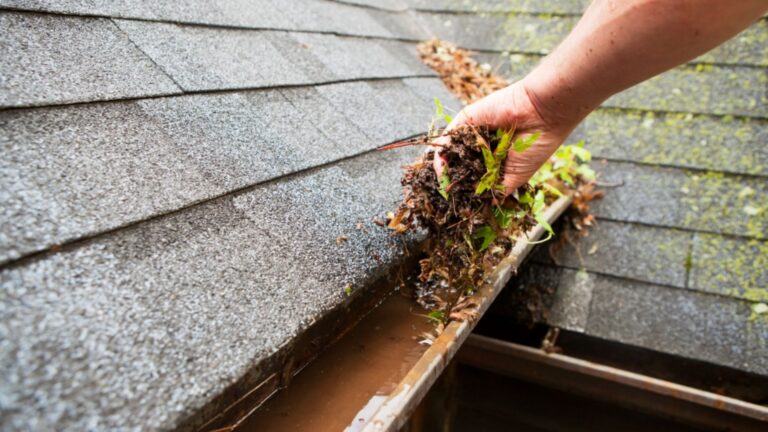
- Bi-annual cleaning of drainage systems and gutters to prevent ice damming.
- Periodic assessment of wood surfaces to prevent and manage siding rot: a professional restoration guide.
- Quarterly testing of backup generators and off-grid power systems.
- Seasonal landscaping audits to maintain defensible space for wildfire protection.
Preserving Aesthetic Prestige
Prestige is more than just a feeling; it is the result of meticulous attention to detail. This includes ensuring that stone veneers aren’t staining from water runoff and that metal accents aren’t corroding. High-end homeowners often employ “estate managers” to oversee these micro-tasks.
Sustainability also plays a role in long-term mastery. Modern luxury is increasingly tied to the home’s environmental footprint. Using geothermal heating or high-efficiency insulation not only saves money but also enhances the property’s reputation as a cutting-edge asset.
Distinguishing Indicators Of Success
How do you measure the success of a luxury mountain retreat usa project? A leading indicator is the performance of the building envelope during the first major winter storm. If the interior temperature remains stable without the HVAC working at maximum capacity, the design is a success.
Lagging indicators include the long-term maintenance costs and the property’s appraisal value over a decade. A well-executed retreat should appreciate at a higher rate than standard local real estate. This is because the quality of construction acts as a hedge against market volatility.
Proving Success To Stakeholders
For a professional architect or contractor, success is proven through data. Thermal imaging can show a client exactly where their home is retaining heat. Blower door tests can prove the airtightness of the construction. These objective metrics turn “luxury” from a vague concept into a measurable reality.
Stakeholders, whether they are family members or investors, value transparency. Providing detailed reports on material lifespans and energy savings helps justify the high initial costs. It demonstrates that the project was a strategic investment rather than a frivolous expense.
Common Myths In Mountain Building
Many people believe that “more glass” always means “more heat loss.” While this was true thirty years ago, modern glazing technology has changed the math. High-performance triple-pane windows can actually be more efficient than a poorly insulated solid wall.
Another myth is that “natural wood” is always the best choice for a mountain look. In reality, natural wood requires intense maintenance. Many professionals now prefer high-quality synthetics or modified timbers that look like wood but offer superior durability in extreme sun.
Clarifying Realistic Expectations
There is a misconception that a luxury home should be “maintenance-free.” No building, especially in the mountains, is immune to the laws of physics. The goal is not to eliminate maintenance but to make it predictable and manageable.
Beginners often think that “luxury” equals “fragility.” On the contrary, a true luxury mountain retreat usa is built to be more robust than a standard home. It is the difference between a high-fashion gown and high-performance mountaineering gear; the best mountain homes are the latter, dressed as the former.
Contextual And Practical Limits
There are boundaries to what can and should be built in alpine environments. Just because engineering allows for a cantilevered glass bedroom over a cliff doesn’t mean it’s practical. Extreme designs can lead to “livability” issues, such as excessive wind noise or a feeling of exposure.
Ethical limits also exist regarding the social impact of these massive estates. A luxury mountain retreat usa should ideally respect the local community and ecosystem. This means minimizing light pollution and being mindful of water usage in drought-prone regions.
When To Avoid High-end Approaches
Sometimes, a simpler approach is better. In very remote areas where skilled labor is unavailable, overly complex custom systems can become a liability. If a specialized part breaks and the nearest technician is six hours away, that “luxury” feature becomes a source of stress.
Always consider the “repairability” of the design. A luxury mountain retreat usa should be a place of relaxation, not a constant source of technical frustration. Balance high-end innovation with practical, time-tested construction methods to ensure a peaceful living experience.
Synthesizing The Alpine Standard
The creation and maintenance of a luxury mountain retreat usa is a complex dance between human ambition and environmental reality. It requires a departure from standard building practices in favor of specialized engineering and high-performance materials. Ultimately, the most successful projects are those that prioritize structural resilience without sacrificing aesthetic grace.
Success in this field is not achieved through a single decision but through a systemic process of quality control. It involves selecting the right siding, the best windows, and a robust maintenance plan that honors the investment. When these elements align, the result is a property that stands as a testament to architectural excellence.
True luxury is the peace of mind that comes from knowing a home can withstand the elements while providing an unparalleled lifestyle. It is a balance of professional judgment and disciplined execution. In the demanding landscape of the USA mountains, quality is the only sustainable path forward.
Frequently Asked Questions
What Is The Most Durable Siding For A Mountain Home?
The most durable options for a luxury mountain retreat usa include fiber cement, thermally modified wood, and natural stone. These materials are chosen for their ability to resist moisture, UV damage, and fire, which are common threats in high-altitude environments.
How Do You Prevent Ice Dams On A Mountain Roof?
Preventing ice dams requires a combination of high-quality insulation and a “cold roof” design that allows air to circulate under the roof deck. This ensures the roof surface stays at a consistent temperature, preventing the melt-and-freeze cycle that creates ice dams.
Are Large Windows Practical In Cold Mountain Climates?
Yes, provided they are high-performance units. Modern triple-pane windows with low-emissivity coatings and krypton gas fills offer excellent thermal resistance. They allow for expansive views without significant heat loss, making them a staple of premium mountain architecture.
How Often Should A Luxury Mountain Retreat Usa Be Inspected?
Professionals recommend a full building envelope inspection at least twice a year, typically in the spring and fall. These checks should focus on the roof, drainage systems, and exterior seals to ensure the home is ready for the upcoming seasonal extremes.
What Is The Best Way To Protect A Mountain Home From Wildfires?
Protection involves using non-combustible building materials and maintaining a “defensible space” around the home. This means clearing away flammable vegetation and using specialized landscaping that creates a buffer zone between the wilderness and the structure.