Sustainable Building Materials Guide: Exterior Remodel Roi
This sustainable building materials guide serves as a foundational roadmap for modernizing the envelope of a residential structure during an exterior home remodel. Transitioning away from conventional, high-impact resources requires a sophisticated understanding of material lifecycles, embodied carbon, and long-term thermal performance. For the homeowner, these choices represent a commitment to environmental stewardship and operational efficiency. For the industry veteran, they represent a shift toward performance-based specifications that prioritize durability over short-term savings.
The current global shift toward ecological responsibility has moved sustainable procurement from a niche luxury to a central pillar of architectural integrity. Regulatory environments are tightening, and consumer demand for “green” certifications is rising. However, the path to a truly low-impact remodel is paved with technical complexities that require careful navigation. This article provides the analytical depth necessary to make informed decisions that balance aesthetics with systemic sustainability.
Sustainable Building Materials Guide
The core essence of a sustainable building materials guide is the pursuit of harmony between human shelter and the natural systems that support it. Think of a home not as a static object, but as a biological organism. Just as an organism requires a skin that breathes, protects, and regulates temperature, a building requires an envelope that manages moisture and energy without depleting the resources around it. Sustainable materials act as the functional cells of this organism, providing long-term vitality through regenerative or low-impact properties.
In professional circles, the term sustainability is often misunderstood as a simple binary choice between “natural” and “synthetic.” The reality is far more nuanced. A material is not sustainable merely because it is organic; it must also demonstrate durability, local availability, and low embodied energy. Professionals evaluate materials based on their ability to minimize environmental debt—the total ecological cost incurred from extraction to disposal. Misunderstandings often arise when homeowners focus solely on the “recycled” label without considering the carbon footprint generated during the manufacturing and shipping processes.
Conversations around sustainability should move beyond the immediate visual appeal and into the realm of systemic logic. A material that lasts eighty years and requires minimal maintenance is often more sustainable than a biodegradable product that fails after a decade. This guide emphasizes the “durability-first” approach, where the longevity of the exterior remodel is the primary metric of its ecological success. By selecting materials that withstand local climate stressors, the frequency of replacement—and thus the total resource consumption—is significantly reduced.
Historical Evolution Of Construction Standards
The history of home construction reflects a movement from local, earth-based materials to high-intensity industrial products, and back toward a synthesis of both. In the pre-industrial era, homes were inherently sustainable by necessity. Builders used stone, timber, and lime sourced within a few miles of the site. These materials were labor-intensive but possessed high thermal mass and natural breathability. The “old ways” were dictated by the immediate environment, resulting in vernacular architecture that was perfectly adapted to its climate.
The industrial revolution introduced standardized materials like Portland cement, fiberglass insulation, and petroleum-based plastics. While these innovations allowed for rapid, affordable housing expansion, they decoupled building design from the environment. Modern standards often rely on “tight” envelopes that trap moisture and utilize high-energy chemicals. This shift created a legacy of structures that are energy-intensive to maintain and difficult to dispose of at the end of their life. The sustainable building materials guide addresses these legacies by reintegrating natural performance with modern precision.
Persistence of outdated assumptions remains a significant hurdle in the industry. Many professionals still believe that sustainable materials lack the structural integrity of conventional synthetics. However, modern engineered wood products and carbon-negative concrete alternatives have proven to meet or exceed the performance of their traditional counterparts. The “modern” standard is no longer about raw strength alone, but about the intelligent application of materials that contribute to a circular economy, where every component can eventually return to the earth or the factory floor.
Theoretical Frameworks For Material Selection
Understanding sustainable building materials requires several mental models that help professionals and homeowners evaluate complex trade-offs. The first framework is the Life Cycle Assessment (LCA). This is a comprehensive methodology that calculates the environmental impact of a material from “cradle to grave” or “cradle to cradle.” For a layperson, this helps visualize the invisible trail of carbon, water, and waste that follows a product. For a professional, LCA prevents “greenwashing” by revealing the hidden costs of global shipping or chemical treatments.
A second framework is the concept of Embodied Carbon versus Operational Carbon. Embodied carbon is the energy used to create the material; operational carbon is the energy the building consumes while in use. High-performance insulation might have higher embodied carbon than traditional wool, but its ability to slash heating and cooling needs over fifty years makes it the superior choice. This framework allows for a balanced view, ensuring that short-term manufacturing impacts are weighed against long-term energy savings.
The Circular Economy model is a third critical framework. In this view, buildings are seen as “material banks.” Every component of an exterior remodel should be chosen based on its ability to be reused, recycled, or composted. Instead of viewing a house as something that eventually goes to a landfill, we view it as an assembly of high-value parts that can be recovered. This mental model encourages the use of mechanical fasteners over adhesives and modular components over monolithic pours, facilitating easier repairs and eventual deconstruction.
Finally, the Biophilic Design framework emphasizes the human connection to nature. Sustainable materials like natural stone, wood, and cork do more than just save energy; they improve the psychological well-being of the occupants. For professionals, this framework justifies the higher cost of premium natural finishes by quantifying the “soft” benefits of health, air quality, and aesthetic timelessness. Using a sustainable building materials guide through these frameworks ensures that the final remodel is technically sound, ethically responsible, and human-centric.
Sustainable Building Materials Taxonomy
Classifying sustainable materials requires a detailed taxonomy based on their origin, performance, and environmental footprint. This classification helps in choosing the right material for specific climatic and structural needs. By understanding the “Variation Matrix,” builders can tailor their selections to the specific requirements of the site, ensuring the building envelope is both resilient and ecological.
| Variation | Target Audience | Core Advantage | Trade-offs | Relative Complexity |
|---|---|---|---|---|
| Mass Timber | Large-scale residential | Carbon sequestration | Higher upfront cost | High |
| Hempcrete | Eco-conscious builders | High thermal mass | Lengthy drying time | Very High |
| Recycled Steel | Modernists / Industrial | Infinite recyclability | Thermal bridging | Moderate |
| Fiber Cement | Mainstream homeowners | Fire and pest resistance | High embodied carbon | Low |
| Cork Cladding | Passive House enthusiasts | Natural insulation | Surface vulnerability | Moderate |
Choosing the right path within this taxonomy depends on specific constraints such as budget, local climate, and labor availability. For instance, while hempcrete offers unparalleled insulation and breathability, it requires specialized labor and a dry construction window. Conversely, fiber cement is widely available and easy to install, but its sustainability profile is weaker than biogenic options. To make a high-value choice, one must compare roof replacement materials and siding options against the local environmental context to find the “sweet spot” of performance and footprint.
Biogenic And Mineral-based Materials
Biogenic materials are those derived from living organisms, such as wood, straw, hemp, and cork. These materials are unique because they sequester carbon dioxide during their growth phase, potentially making the building carbon-negative. When using timber, it is crucial to source from certified sustainable forests to ensure the harvest does not contribute to deforestation. Engineered wood products, like Cross Laminated Timber (CLT), allow for larger spans and higher strength, making biogenic materials viable for almost any residential scale.
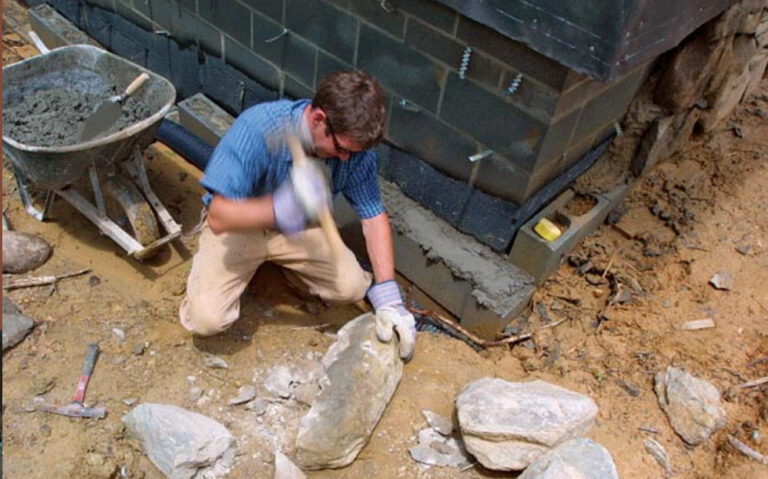
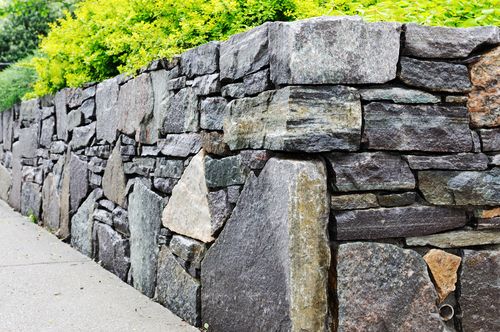
Mineral-based materials include rammed earth, stone, and low-carbon concrete. These materials are characterized by high durability and thermal mass, which helps regulate indoor temperatures by absorbing and releasing heat slowly. Natural stone is one of the most sustainable options when sourced locally, as it requires minimal processing. For those looking to replicate the look of solid masonry without the weight or cost, exploring top stone veneer plans can provide a middle ground that utilizes natural minerals in a more resource-efficient, thin-layer application.
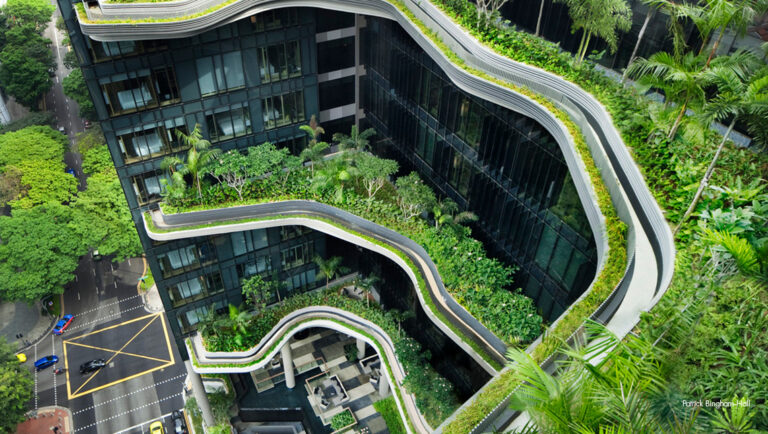
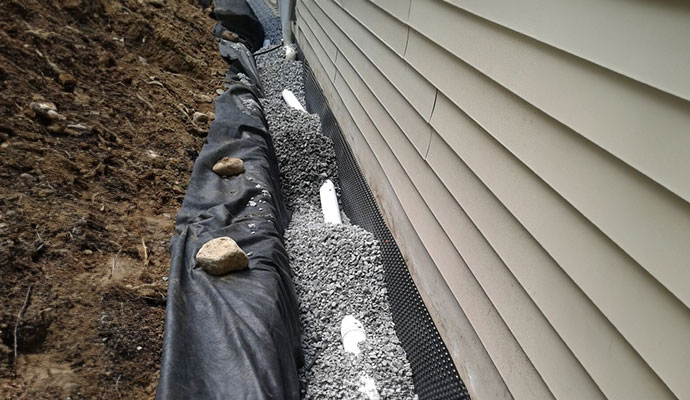
Furthermore, innovations in mineral science have led to the development of calcined clay and fly-ash based cements. These alternatives reduce the carbon-heavy clinker found in traditional Portland cement. These “green” concretes are particularly useful for foundations and exterior walkways in a remodel, where moisture resistance is non-negotiable. By combining biogenic insulation with mineral-based structures, builders can create a hybrid system that is both insulating and thermally stable.
Synthetic And Recycled Performance Materials
Synthetic materials are often criticized in the sustainable building materials guide, but they play a vital role in moisture management and energy efficiency. High-performance membranes and vapor barriers, while petroleum-based, are essential for preventing mold and preserving the structural timber. The key is to choose synthetics that are free from harmful volatile organic compounds (VOCs) and are designed for a long service life. Recycled synthetics, such as decking made from reclaimed plastic bags and wood fibers, provide a durable solution for high-wear exterior surfaces.
Metals like aluminum and steel are highly sustainable due to their infinite recyclability. A standing seam metal roof can last over fifty years and be completely recycled at the end of its life, unlike asphalt shingles which often end up in landfills. However, metals have high thermal conductivity, meaning they require a robust thermal break to prevent heat loss. When integrating these materials, it is important to look at the total system, ensuring that the metal components do not compromise the insulation values of the walls.
Applied Logic In Real-world Scenarios
Real-world application of the sustainable building materials guide requires a shift from theory to practical scenario planning. Consider a coastal home remodel facing high salt spray and humidity. In this scenario, using untreated natural wood siding would lead to rapid decay and frequent replacement. The sustainable choice here would be a modified wood (like acetylated timber) or fiber cement. The “second-order consequence” of choosing a slightly more industrial material is a significant reduction in maintenance energy and a much longer material lifespan.
In another scenario, a heritage restoration in a temperate climate might focus on breathability. Using modern synthetic stucco could trap moisture against old brick, leading to structural failure. Here, the logic dictates using lime-based renders and mineral wool insulation. These materials allow the old masonry to “breathe,” preventing the compounding errors that lead to rot. Professionals must always look past the initial “eco-friendly” label to see how the material will interact with the existing structure and the local weather patterns over several decades.
For high-density urban remodels, fire resistance and sound attenuation become the primary drivers. Mineral wool insulation provides superior fire protection compared to cellulose, and heavy stone or brick finishes offer better acoustic isolation. In these cases, the “sustainability” of the material is found in its contribution to the safety and comfort of the inhabitants. By focusing on practical outcomes rather than theoretical purity, the remodel achieves a higher level of functional sustainability that benefits both the owner and the surrounding community.
Planning, Cost, And Resource Dynamics
Planning a sustainable remodel requires a rigorous “reality check” regarding budgets and timelines. It is a common misconception that sustainable materials are prohibitively expensive. While the upfront cost for a triple-glazed window or a high-performance siding may be 15-25% higher than entry-level options, the total cost of ownership is often lower. This is due to reduced utility bills, lower maintenance requirements, and the increased resale value of a high-performance home.
| Category | Entry-Level Scenario | Professional Standard | Enterprise/High-End | Key Nuance |
|---|---|---|---|---|
| Siding | Recycled Vinyl | Fiber Cement | Thermally Modified Wood | Vapor permeability varies |
| Roofing | Reflective Asphalt | Standing Seam Metal | Slate or Living Roof | Weight affects structure |
| Windows | Low-E Double Pane | Argon Triple Pane | Vacuum Insulated Glazing | Frame material impacts R-value |
| Insulation | Fiberglass Batts | Dense-Pack Cellulose | Wood Fiber Board | Carbon sequestration levels |
Professionals emphasize that “cheap” materials often lead to “expensive” failures in the long run. For example, failing to invest in high-quality moisture barriers during a siding project can lead to hidden structural damage. Understanding how to manage siding rot is essential for anyone dealing with older structures where conventional materials may have failed. By investing in better materials upfront, you are essentially purchasing “insurance” against future repair costs and energy spikes.
Tools And Strategies For Professional Integration
The real problem that professionals solve is the integration of disparate materials into a cohesive, high-performance system. This is where tools like Building Information Modeling (BIM) and moisture-modeling software (like WUFI) become indispensable. These tools allow architects to simulate how a specific combination of sustainable materials will handle heat and moisture over a simulated thirty-year period. Without this modeling, even the most sustainable materials can be misapplied, leading to interstitial condensation and mold growth.
Environmental Product Declarations (EPDs) are another critical tool in the professional toolkit. An EPD is a standardized document that provides transparent data about the lifecycle environmental impact of a product. In this sustainable building materials guide, EPDs are the “nutrition labels” for construction. Professionals use them to compare the global warming potential of different brands of insulation or roofing. This data-driven approach removes the guesswork and allows for a truly optimized material selection process.
However, these tools have hidden limitations. For instance, an EPD might show a material has low embodied carbon, but it won’t tell you if that material is compatible with the local building code or if local contractors have the skill to install it correctly. Therefore, the strategy must also include human factors: training the installation crew and ensuring that the supply chain can deliver the materials without excessive lead times. A sustainable remodel is only as good as the weakest link in its ecosystem of tools, skills, and materials.
The Professional Toolkit For Exterior Planning
When planning the exterior, windows and doors are the most critical components for energy retention. A professional guide to top window installation plans will always emphasize the “rough opening” preparation and the thermal break of the frame. It is not enough to buy a sustainable window; it must be integrated into the wall system with high-performance flashing and air-sealing tapes to prevent leaks. The professional toolkit includes these specialized tapes, liquid-applied membranes, and thermal gaskets that ensure the “green” performance is actually realized.
Furthermore, exterior siding should be viewed as a “rainscreen” system rather than just a cosmetic layer. This involves creating a small gap between the siding and the house wrap to allow moisture to drain and air to circulate. This strategy significantly extends the life of both the siding and the structural sheathing. The sustainable building materials guide advocates for this “ventilated facade” approach because it works with physics to manage moisture, rather than trying to block it entirely with caulks and sealants that eventually fail.
Risk Landscape And Failure Modes
Every building project involves risk, but sustainable projects introduce unique “failure modes” that must be managed. These can be categorized into structural, operational, and human errors. A structural failure might involve using a heavy sustainable material, like a living roof, on a frame not designed for the weight. An operational failure might be a high-performance HVAC system that is oversized for a now-highly-insulated home, leading to “short-cycling” and high humidity. Human error often involves the improper installation of complex air-sealing layers.
Small errors in the building envelope compound into systemic failures. A single poorly taped seam in a vapor barrier can allow gallons of moisture to enter the wall cavity over a winter season. In a highly insulated wall, this moisture cannot dry out easily, leading to rapid rot. The risk taxonomy also includes supply chain risks: choosing a niche sustainable material that goes out of production, making future repairs or additions impossible. To mitigate this, professionals recommend choosing materials from established manufacturers with documented testing and long-term warranties.
Practical mitigation involves a “belt and suspenders” approach. For example, if using cellulose insulation, ensure the exterior has a robust rainscreen so the wall can dry toward the outside. If using reclaimed materials, they must be rigorously inspected for pests, lead paint, or structural decay. Neutral, practical guidance suggests that “experimental” materials should be used cautiously, perhaps on smaller sections of the home first, while the main envelope relies on proven sustainable standards like fiber cement or FSC-certified timber.
Governance And Long-term Maintenance
Static systems fail because buildings are dynamic; they expand, contract, and age. Governance of a sustainable home involves a commitment to regular “health checks” and documentation. A robust documentation system includes the “as-built” plans, the EPDs for all materials, and a maintenance schedule for every exterior component. This is not just for the current owner; it is a critical asset for future owners, ensuring the sustainable logic of the home is preserved through successive generations.
Dynamic adaptation requires that the building can be easily upgraded. For instance, if you install a standing seam metal roof today, the governance plan should ensure the structure is ready for the future addition of solar panels. Using best exterior siding options that are easy to remove and replace in sections, rather than a monolithic stucco, allows the building to adapt to future repairs without a full tear-off. Sustainability is, at its heart, the ability of a system to maintain its function over time.
- Quarterly inspection of window seals and exterior caulking for air leaks.
- Annual cleaning of rainscreen weep holes to ensure proper drainage.
- Bi-annual check of roof flashing and gutter integration points.
- Five-year review of exterior finishes (stain, paint, or oil) to maintain UV protection.
- Ten-year professional audit of the thermal envelope using infrared thermography.
Measurement And Tracking Success
A professional sustainable building materials guide must include metrics for success. Measurement is divided into “leading indicators” and “lagging indicators.” A leading indicator is something like the blower-door test result during construction, which predicts future energy performance. A lagging indicator is the actual utility bill or the lack of moisture damage after ten years. Success is proven when the theoretical “R-value” of the walls translates into real-world comfort and savings for the occupant.
Qualitative indicators are also important. This includes the indoor air quality, measured by the absence of “off-gassing” from the exterior materials. A professional proves success to a stakeholder by presenting a “Carbon Dashboard” that compares the home’s performance to local building code averages. This reporting makes the invisible benefits of sustainable materials visible, justifying the investment and providing a benchmark for the rest of the industry to follow.
Common Misconceptions And Mitos
The field of sustainable construction is riddled with myths that can mislead even experienced professionals. One of the most persistent is that “all-natural materials are better.” In reality, an untreated natural wood siding might rot in five years in a wet climate, whereas a high-quality, recyclable synthetic might last fifty. The sustainability is found in the longevity, not just the origin. Another myth is that “sustainable homes don’t need HVAC.” While a passive house reduces the load, it still requires controlled ventilation (like an ERV) to maintain air quality in a tight envelope.
Some believe that “recycled content” is the only metric that matters. However, if a recycled product requires high-energy transport from another continent, its total carbon footprint may be higher than a locally sourced virgin material. There is also a misconception that “green building is a new, unproven science.” On the contrary, many “modern” sustainable techniques are simply refined versions of centuries-old vernacular practices, now backed by sophisticated moisture-modeling software and material science.
Finally, the idea that “sustainable means expensive” is being debunked by the rise of mass-market green materials. As the sustainable building materials guide becomes the industry standard, economies of scale are bringing down the costs of triple-pane windows and high-performance insulation. The reality is that the most expensive home to build is one that is inefficient, uncomfortable, and prone to rot, regardless of the materials used. Accurate reality involves looking at the “Value Over Lifetime” rather than just the “Price at Purchase.”
Ethical And Practical Limits
There are practical limits to how sustainable a building can be. We live in a world where global supply chains and industrial processes are still heavily reliant on fossil fuels. Every remodel involves trade-offs. You might choose a local stone that has high thermal mass but requires a concrete-heavy foundation to support its weight. Or you might choose a biogenic insulation that is carbon-sequestering but comes from a farm that uses pesticides. These “gray areas” require professional judgment rather than dogmatic adherence to a single philosophy.
When should you not use a “sustainable” approach? Perhaps when the local labor force has no experience with it. Forcing a complex hempcrete installation onto a crew that only knows traditional stick-framing is a recipe for structural failure. In these cases, it is better to use a “better-than-average” conventional material that can be installed perfectly, rather than a “perfect” material that will be installed poorly. Sustainability must be grounded in the context of the current era’s constraints, including labor skill, material availability, and local building codes.
Synthesis Of Sustainable Construction Logic
The sustainable building materials guide is ultimately a framework for making better decisions under conditions of complexity. It requires a balance between systemic process and professional judgment. By understanding the historical context, the theoretical frameworks, and the practical failure modes, one can navigate the exterior home remodel with confidence. The goal is not to achieve a “perfect” ecological score, but to significantly move the needle toward a more resilient, low-impact built environment.
As the industry evolves, the distinction between “sustainable” and “standard” construction will likely disappear. The materials and methods outlined here represent the vanguard of a new common-sense approach to shelter. Success in this field requires a commitment to continuous learning, rigorous documentation, and a willingness to prioritize the long-term health of the structure over immediate convenience. A house built with these principles is more than just a home; it is a durable contribution to a more stable and efficient world. Integrity in architecture is found where the beauty of the form meets the responsibility of the substance.
Frequently Asked Questions
What Makes A Building Material Truly Sustainable?
A material is sustainable if it has low embodied carbon, is durable enough to minimize replacement cycles, and can be recycled or safely returned to the environment. It must also contribute to the building’s overall energy efficiency without introducing harmful toxins into the indoor air.
Are Sustainable Materials Always More Expensive?
While the initial purchase price can be higher, sustainable materials typically offer a lower total cost of ownership through energy savings, tax incentives, and reduced maintenance. As green materials become more common, the price gap with conventional materials continues to narrow.
How Do I Know If A Product Is Truly Eco-friendly?
Look for third-party certifications such as Forest Stewardship Council (FSC) for wood or Cradle to Cradle (C2C) for manufactured goods. Requesting an Environmental Product Declaration (EPD) provides the most transparent data regarding a material’s actual ecological impact.
Can I Use Sustainable Materials In A Traditional-style Home?
Yes. Many sustainable materials, such as fiber cement, modified wood, and natural stone veneer, can perfectly replicate traditional aesthetics. Sustainability is about the performance and lifecycle of the material, not necessarily a specific “modern” look.
What Is The Most Important Sustainable Upgrade For An Exterior Remodel?
While every home is different, improving the “thermal envelope”—which includes high-performance windows and robust insulation—usually provides the highest return on investment. Protecting this envelope with a proper rainscreen siding system ensures these gains last for decades.